
U.S.–Iran War Sends Shockwaves Through Global Oil Markets
The ongoing U.S.–Iran conflict is creating fresh pressure on the global oil market, with concerns growing that disruptions to major shipping routes could keep energy prices elevated.
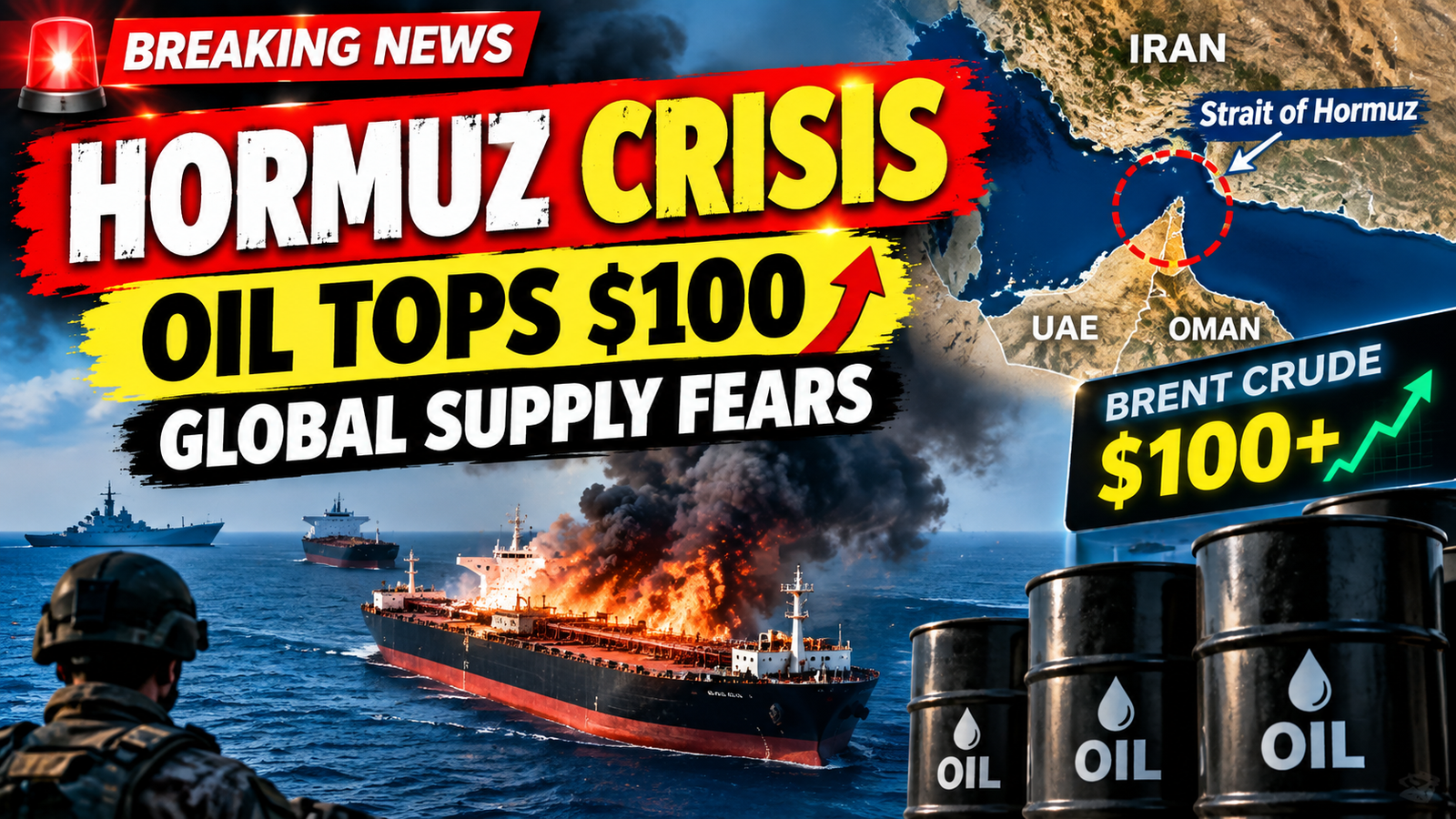
Brent crude briefly climbed close to $110 a barrel this week before falling back on Friday. Even after the decline, oil was still heading toward a weekly gain of more than 8%, showing how nervous global markets remain.
A major concern is the Strait of Hormuz, a crucial route for international energy shipments. Shipping activity through the waterway has dropped sharply as attacks and military tensions increase. The nearby Bab el-Mandeb Strait is also facing growing security risks following attacks involving Iran-aligned Houthi forces.
The effects are already being felt in the United States. U.S. diesel prices moved above $6 per gallon, increasing costs for trucking, agriculture and other industries that depend heavily on diesel fuel. Higher transportation costs could eventually put additional pressure on prices for food and everyday goods.
The International Energy Agency has also warned that global oil supply could fall significantly in 2026 as Middle East disruptions continue.
For consumers around the world, the biggest question now is how long the conflict will continue. If shipping and oil production remain disrupted, energy prices could stay volatile and add further pressure to global inflation.


Join the conversation
Comments are reviewed before appearing on the site.